| GB 44721—2026 Interpretation of Mandatory National Standard Intelligent and Connected Vehicles — Safety Requirements for Automated Driving Systems |
| Date:2026-08-06 12:49:49 | Page view: |
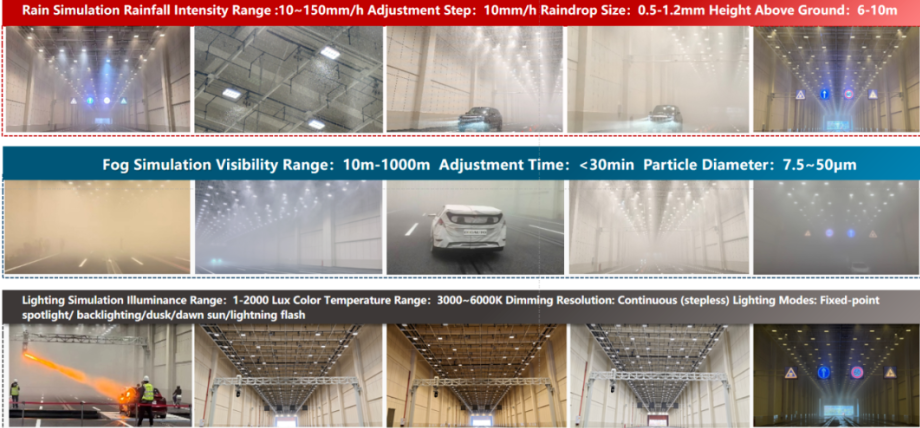
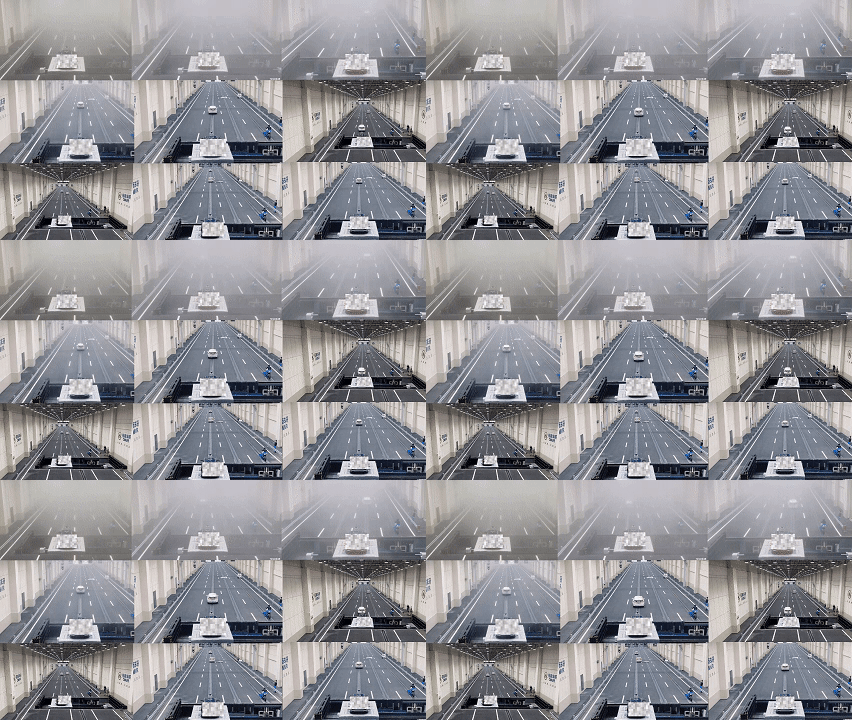
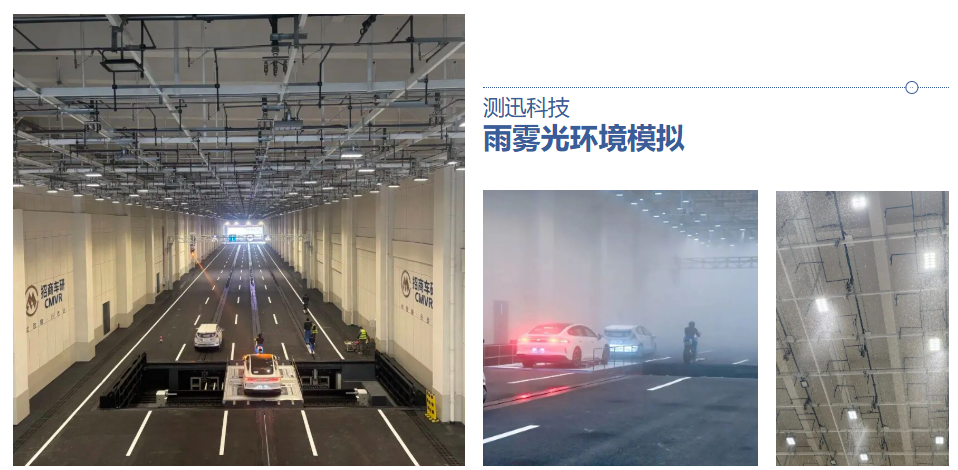
GB 44721—2026 Interpretation of Mandatory National Standard Intelligent and Connected Vehicles — Safety Requirements for Automated Driving Systems GB 44721—2026 On July 30, 2026, the mandatory national standard Intelligent and Connected Vehicles — Safety Requirements for Automated Driving Systems (GB 44721—2026), which was formulated and under the administration of the Ministry of Industry and Information Technology, was approved and released by the State Administration for Market Regulation and the Standardization Administration of China. It is scheduled to be officially implemented on July 1, 2027. This standard is the only mandatory national standard for the market access of Level 3 and Level 4 high-level automated driving vehicles in China. It sets four core rigid compliance red lines and clarifies the mandatory thresholds for implementation verification: 01 Mandatory Full-lifecycle Safety Archiving for Automakers Automakers shall build a full-chain safety system covering risk management, safety design, production control and after-sales iterative upgrading, and keep standardized safety archives throughout the whole process of research and development, mass production and vehicle on-road operation & maintenance. Official requirements stipulate that all high-level automated driving models must complete three types of verification before launch: simulation test, closed-site test and public road test. Test environments, equipment and scenarios shall meet the quantitative indicators specified in the national standard, and archives are available for inspection and accountability at any time. 02 Rigid Baseline for Automated Driving Performance The overall safety performance of ADS (Automated Driving System) must be superior to that of a concentrated human driver. A minimum risk maneuver strategy is mandated: in the event of system failure, perception malfunction or driving beyond the Operational Design Domain (ODD), the system shall automatically perform downgrade safety actions such as deceleration, roadside parking and emergency stop. Based on supporting test standards, the national standard includes typical harsh scenarios including heavy rain, dense fog, backlight and low illumination at night into mandatory inspection scope. The stability of system perception, decision-making and execution under such working conditions is a rigid assessment item.Reference Document: GB/T 47025 Intelligent and Connected Vehicles — Simulation Test Methods and Requirements for Automated Driving Functions 03 Safety Control of Human-machine Interaction & Driver Takeover All L3 vehicles are required to be equipped with a driver takeover monitoring system to judge the driver’s takeover capability in real time. Unified acoustic, optical and visual reminders are required for system startup/shutdown and mode switching, and vague promotion is prohibited. Automakers shall publicly announce applicable scenarios and extreme limitations of automated driving to eliminate misuse risks caused by exaggerated publicity. 04 Implementation Rules for Standardized Inspection The standard establishes a three-in-one inspection system consisting of enterprise guarantee capability inspection, safety file inspection and third-party confirmation test, focusing on examining automakers’ safety system construction as well as the integrity and reliability of safety archives. When conducting pre-launch confirmation tests, third-party inspection institutions shall adopt cross-verification combining site test, road test and simulation test in accordance with three supporting national standards: GB/T 41798, GB/T 44719 and GB/T 47025, so as to comprehensively verify the actual performance of automated driving systems. A single test method cannot meet comprehensive verification requirements, while combined multiple tests can effectively make up for the shortcomings of individual testing modes and ensure objective and credible inspection results. Summary of Core Industrial Changes In response to the implementation requirements of GB 44721—2026 mandatory national standard, the industry must carry out combined verification of site test, road test and simulation test. Assessments on harsh weather, system failures and ODD boundary scenarios will become routine. Closed test fields and the VTEHIL (Vehicle-Traffic-Environment Hardware-in-the-Loop) test system (for rain, fog and light simulation) are two core carriers that meet the verification demands of the new standard. DigGenX realizes parameter configuration and intelligent generalization of vehicle hardware-in-the-loop test scenarios. The three tools complement each other in functions, fully covering automakers’ full-cycle testing demands from R&D iteration to pre-launch compliance certification. Digauto: Catering to Automakers’ Verification Demands The national standard lists complex meteorological conditions including rain, fog, strong light, night environment and backlight as mandatory inspection items for perception systems. However, outdoor natural weather is highly random, working conditions cannot be stably reproduced, and real road test data cannot be adopted for compliance certification. Digauto independently developed the VTEHIL (Vehicle-Traffic-Environment Hardware-in-the-Loop) test system, which can accurately quantify and adjust composite environments such as fog density, rainfall intensity, illumination intensity and backlight, and stably reproduce all harsh scenarios required by the national standard indoors.
Full tests on key national standard items such as AEB can be carried out on the VTEHIL bench. The overall test efficiency is 2 to 3 times higher than that of outdoor real road tests, with more prominent advantages in large-scale scenario regression testing, which fully meets automakers’ demands for high-frequency iterative verification.
VTEHIL has been applied in China Automotive Engineering Research Institute laboratories with highly consistent test data, perfectly making up for the deficiencies of environmental laboratories owned by vehicle manufacturers and inspection institutions. It has served well-known universities including Tsinghua University, authoritative inspection organizations such as China Automotive Engineering Research Institute, and mainstream OEMs such as FAW Group.
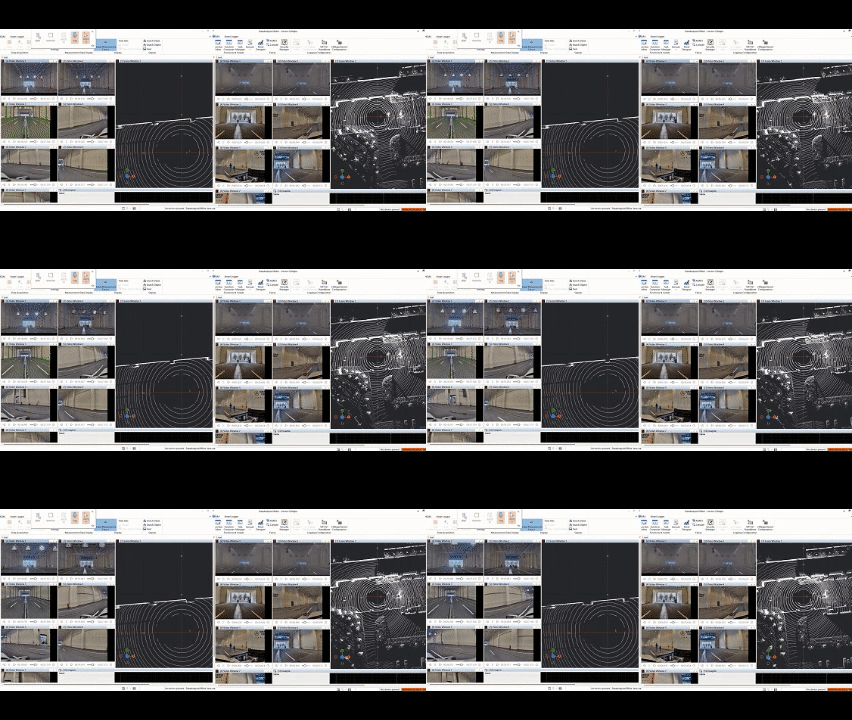
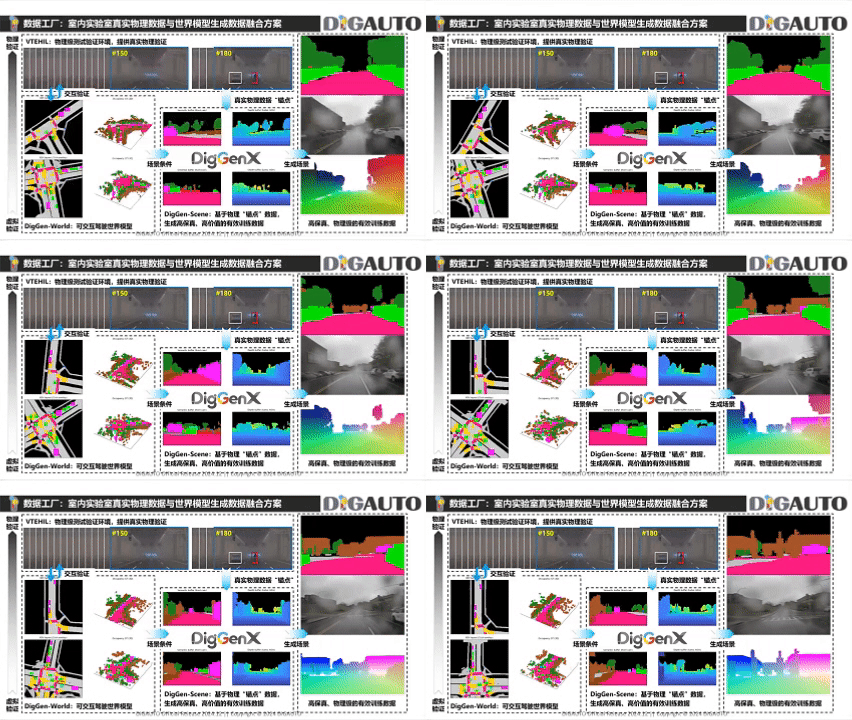
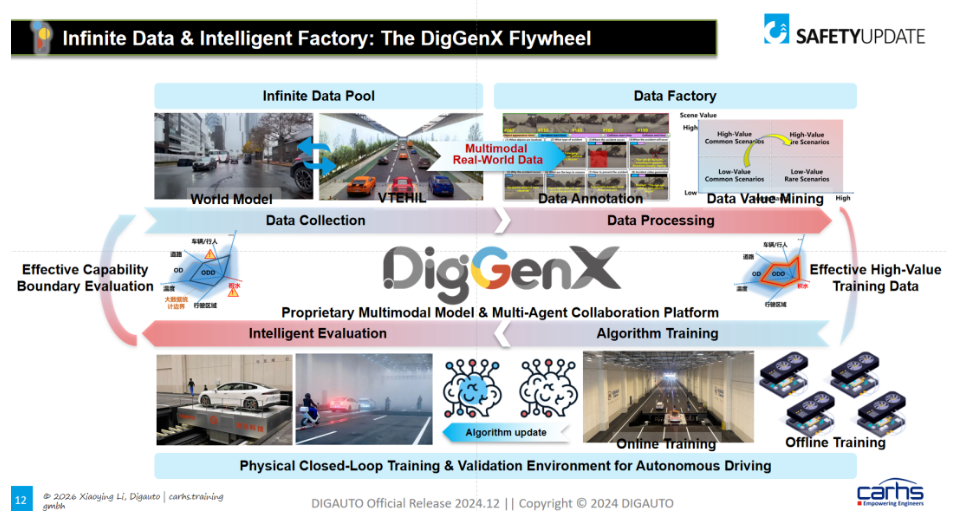 DigGenX is a self-developed data generation model of Digauto. It takes real physical data collected from VTEHIL laboratories as anchor points, and generates large-scale high-fidelity multi-scenario training data through feature extraction, condition construction, world model generation and fusion post-processing, fundamentally narrowing the confidence gap between simulation and real vehicle tests. The generated data can be directly used for training and verification of end-to-end models and VLA (Vision-Language-Action) models, as well as parameter configuration and intelligent generalization of vehicle hardware-in-the-loop test scenarios.
This capability brings an in-depth change: simulation and real vehicle testing are no longer two isolated systems, but an integrated whole for mutual verification. The same test scenario can be deduced on a large scale in the simulation environment built by DigGenX and reproduced on real vehicles via the VTEHIL physical hardware-in-the-loop bench, enabling direct comparison and verification between simulation results and real vehicle performance, thus providing quantitative answers to the reliability of simulation-verified functions on real vehicles. Simulation results can be verified by real vehicle tests, and real vehicle data can be used to calibrate simulation models in reverse. Bidirectional calibration continuously reduces virtual-real deviation, making simulation confidence traceable and evidence-based, and lowering the marginal cost of each real vehicle verification.
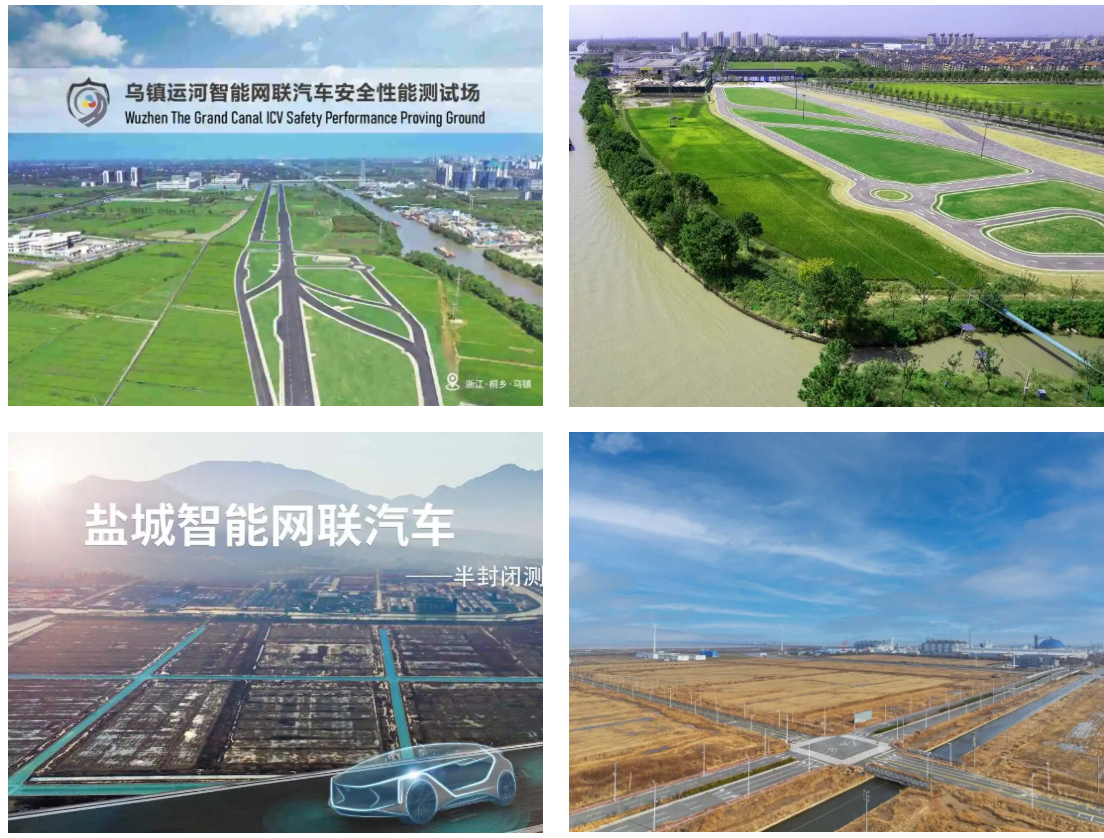
VTEHIL and DigGenX form a closed-loop dual engine of virtual-physical integration: physical testing generates real data, real data feeds model training, and upgraded models return to physical environments for verification. This positive cycle can continuously improve the operational stability of automated driving systems under harsh environments and failure conditions, complying with the performance baseline requirements of the national standard. Meanwhile, it accumulates standardized and traceable full test data to support enterprise safety archiving, OTA iterative retesting and multi-dimensional pre-launch confirmation tests. It continuously supplies high-value training data at a cost far lower than real-road data collection, helping automakers achieve more comprehensive testing, faster iteration and lower expenditure. We have built two standardized PGs in Yancheng and Wuzhen. Our engineering team has rich experience in site and road testing for L2-L5 automated driving, fully complying with GB/T 41798-2022 Intelligent and Connected Vehicles — Site Test Methods and Requirements for Automated Driving Functions. We provide professional and comprehensive services including ADAS R&D verification, standard compliance testing, and customized working-condition test equipment engineering.
|
| Prev:Digauto invites you to meet in Germany! Safetyweek explore cutting-edge innovations with industry authorities. Next:Digauto Debuts at the 12th Shanghai International Automotive Safety Summit |